I frequently see charging failures linked to cheap conversion kits and uncertified batteries.
Mismatched high-power components are a huge issue in the North American e-bike community.
Below is a structured diagnostic guide to isolate why your battery refuses to charge.
We will heavily emphasize safe repair steps and lithium fire prevention.
Common Charging Symptoms
Before tearing into the electrical system, identify exactly how the charging process is failing.
- The Green Light of Death: The charger indicator light stays green despite the battery being completely dead.
- No Indicator Lights: Neither the charger nor the built-in capacity gauge shows any signs of life.
- Intermittent Charging: The charger rapidly clicks or flashes between red and green.
- Excessive Heat: The battery or charger becomes dangerously hot (over 100 degrees Fahrenheit) when plugged in.
- Physical Odor: A sweet, metallic, or burning plastic smell near the charge port.
Likely Root Causes
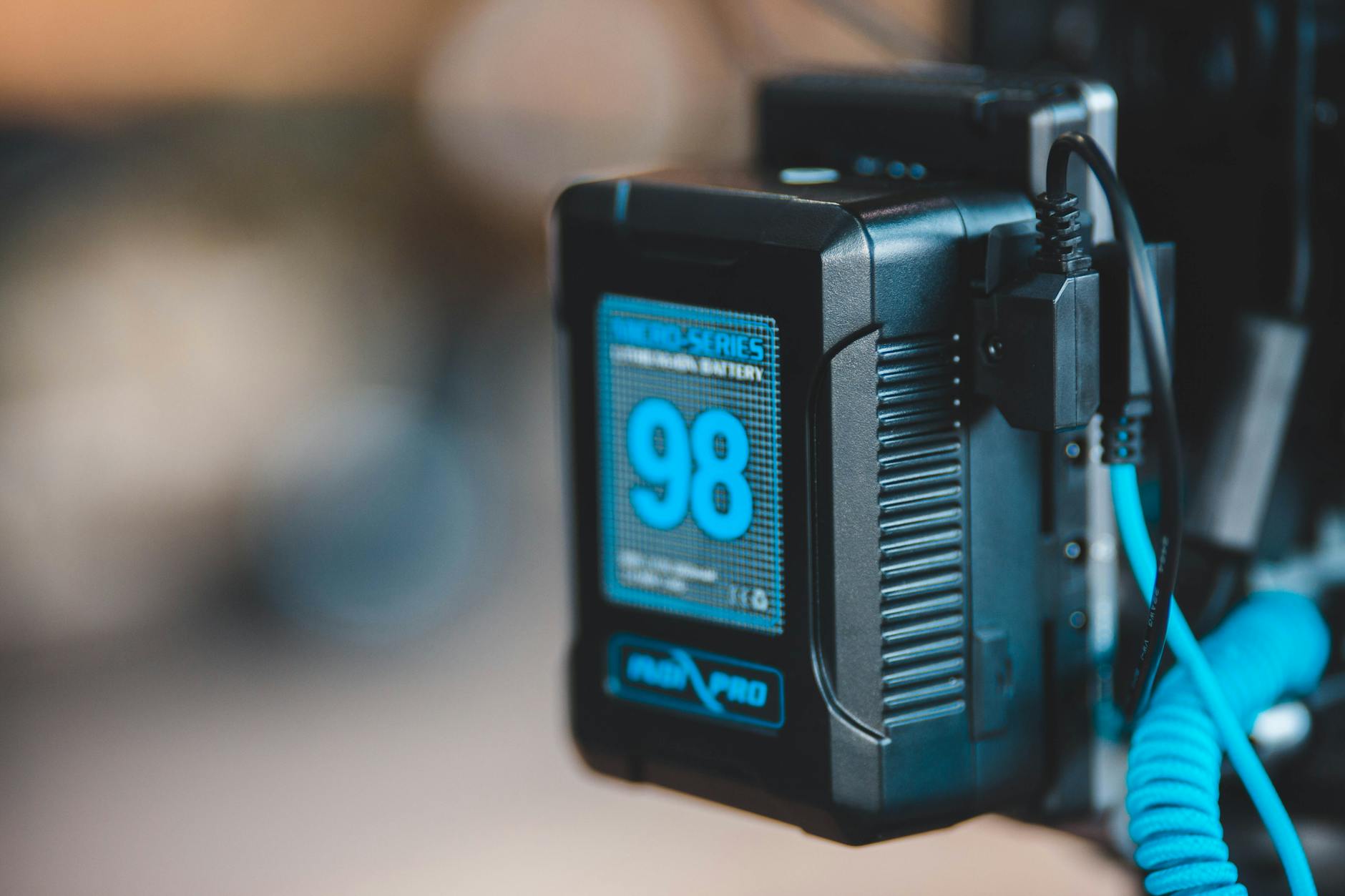
These root causes are especially prevalent in budget 1000W to 6000W conversion kits.
- Uncertified Batteries: Cheap kits lack proper certification and feature low-tier Battery Management Systems (BMS).
- Blown Fuses: A built-in safety mechanism that trips during power surges or short circuits.
- Faulty Charger: The charger itself has failed due to drops or overheating.
- Damaged Charge Port: Bent pins, corrosion, or melted plastic inside the receptacle.
- Dead Cells: If left uncharged for weeks, voltage drops below the BMS safe-charge threshold.
Step-by-Step Diagnostics
Always perform these steps in a clear, dry area.
If you suspect battery damage, move the unit outdoors immediately.
Step 1: Verify the Outlet and Charger
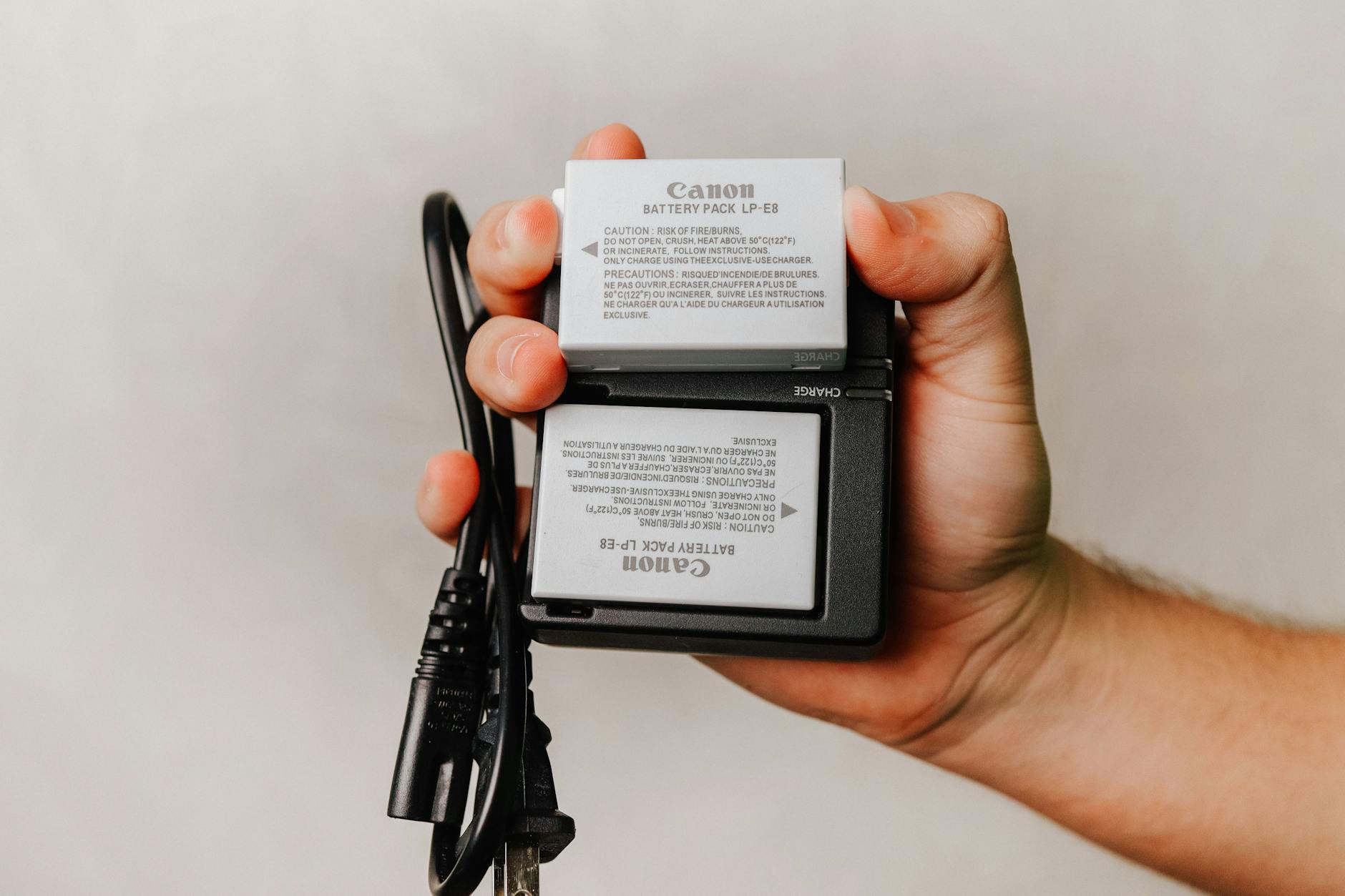
- Plug the charger into a known working wall outlet. If the indicator light stays off, the charger is dead.
- Use a digital multimeter to test the output voltage of the charger plug.
- It should match the maximum voltage listed on the charger sticker.
- For example, a 48V battery charger should output around 54.6V. If it outputs 0V, replace it.
Step 2: Inspect the Charge Port
- Shine a flashlight into the e-bike charge port.
- Look for blackened or melted plastic, debris, or bent prongs.
Step 3: Check the Battery Fuses
- Many aftermarket batteries have automotive-style blade fuses or glass fuses.
- These are often hidden under a rubber cap near the charge port or power switch.
- Pull the charge fuse and inspect the metal filament.
- Use a multimeter on the continuity setting to ensure the fuse is intact.
Step 4: Test Battery Terminal Voltage
- Measure the voltage directly at the battery discharge terminals.
- If a 48V battery reads under 39V, the BMS has likely locked out the charging circuit.
- This prevents a fire hazard from charging deeply degraded lithium cells.
Safe Repair Fixes
- Replace Blown Fuses: Replace a blown charge fuse with the exact same amperage. Never use a higher-amp fuse.
- Clean the Contacts: Clean a dirty charge port using a Q-tip and electrical contact cleaner. Ensure the battery is off.
- Replace the Charger: If outputting 0V, buy a certified OEM replacement. Avoid cheap, unbranded chargers.
- Battery Replacement: Do not attempt to open the casing and replace individual cells if the BMS is dead.
- Safely recycle the dead battery and replace it with a certified unit.
Cautions and Safety Warnings
Lithium fires are incredibly dangerous and notoriously difficult to extinguish.
Water will not easily put out a thermal runaway event due to the massive energy stored.
- Charge Outdoors: Remove uncertified batteries from the bike and charge them safely outdoors.
- Use a fire-safe charging bag whenever possible.
- Do Not Force a Charge: Unplug immediately if a battery is hot, swollen, or smells sweet.
- Forcing a charge into a compromised battery is the leading cause of e-bike fires.
- Component Matching: Do not run heavy motors on cheap batteries.
- Excessive amp draw will permanently damage cells and melt internal wiring.
Frequently Asked Questions
Why is my charger light staying green on a dead battery?
A persistent green light means the charger does not detect a battery drawing current.
This is almost always caused by a blown charge fuse inside the battery.
It can also be a broken wire behind the charge port or a tripped BMS locking out the charge.
My battery gets very hot to the touch during charging. Is this normal?
No. Mild warmth is normal, but a battery getting hot indicates high internal resistance.
This points to failing cells or a malfunctioning BMS. Unplug it immediately.
Move it outdoors. Continuing to charge a hot battery can lead to a catastrophic lithium fire.
Can I use a cheap replacement charger for my 1000W conversion kit?
It is highly discouraged. Cheap, uncertified chargers often lack overcharge protection.
If the charger fails to shut off at 100 percent capacity, it will overcharge the cells.
This causes them to swell, vent toxic gases, and potentially ignite.
Always use a certified charger matched to your specific voltage and chemistry.