Controller overheating and melting phase wires on an e-bike are caused by excessive electrical resistance and current draw, often due to poor connectors, improper gearing, or inadequate cooling. Addressing these issues promptly prevents damage and safety hazards.
Symptoms of Controller Overheating and Melting Phase Wires
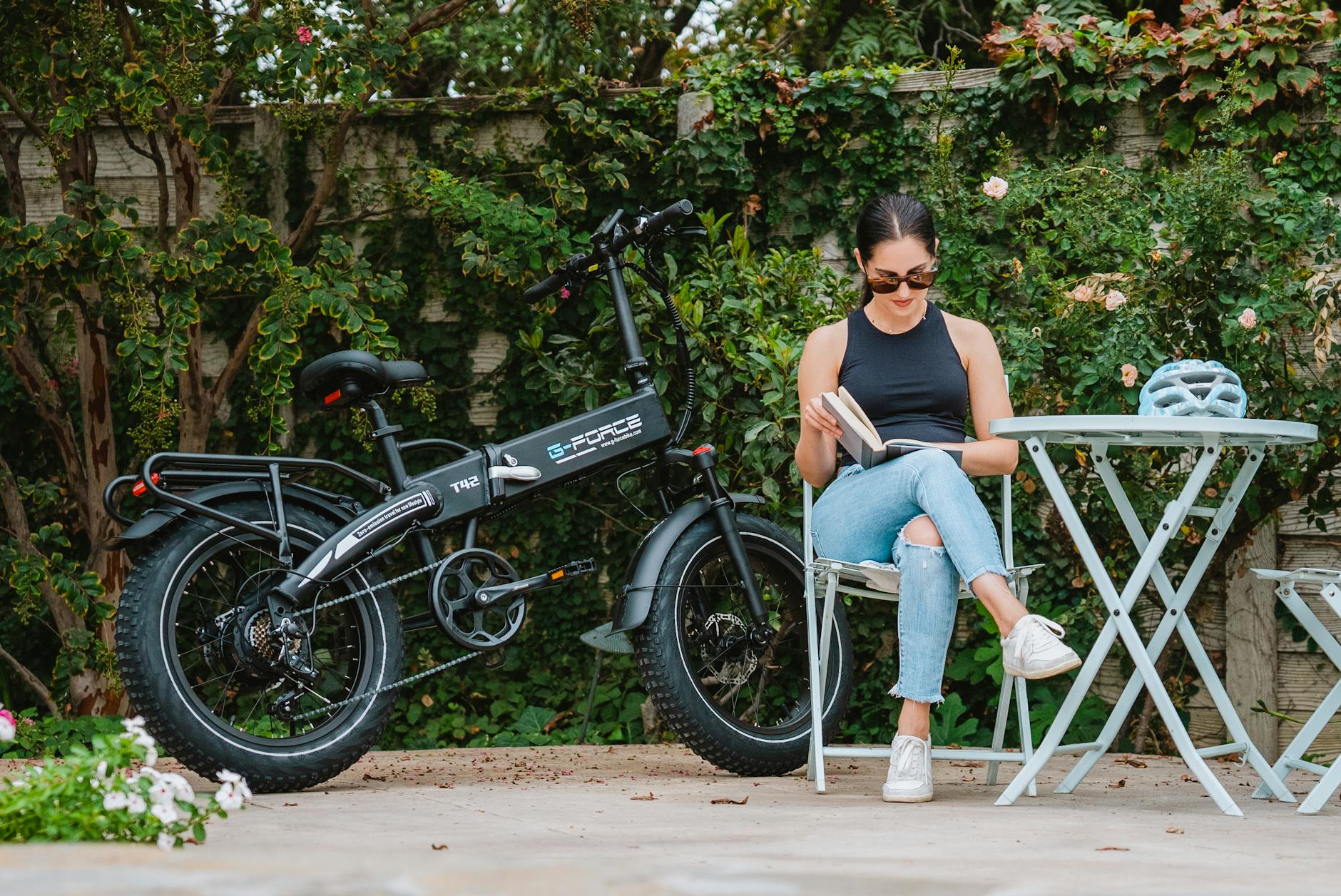
- Controller Overheating: Aluminum casing becomes painfully hot (over 140°F) during extended rides.
- Phase Wire Damage: Colored insulation (yellow, green, blue) bubbles, chars, or fuses.
- Delayed Heat Build-up: Overheating occurs after 15-30 minutes, not immediately.
- Persistent Heat: Overheating continues despite significant pedal assist.
Root Causes of Electrical Heat Buildup
Heat results from electrical resistance and high current (Amps). Common causes include:
- Motor Lugging: Operating at low RPM with high throttle causes inefficient energy conversion and high phase current, generating heat.
- Connector Resistance: Loose or oxidized bullet connectors create hotspots that melt wire insulation.
- Continuous Full Throttle: Running a 350W system at 100% duty cycle stresses MOSFETs, causing overheating.
- Poor Ventilation: Enclosing the controller in plastic or padded bags traps heat, preventing convective cooling.
Tools and Materials Needed
- Multimeter for continuity and resistance checks
- Wire strippers and soldering iron with high-lead solder
- Replacement connectors (e.g., Amass MT60, XT150)
- High-strand-count silicone wire (12 AWG or 14 AWG)
- Heat shrink tubing and electrical tape
- Protective gloves and safety glasses
Step-by-Step Technical Diagnostics
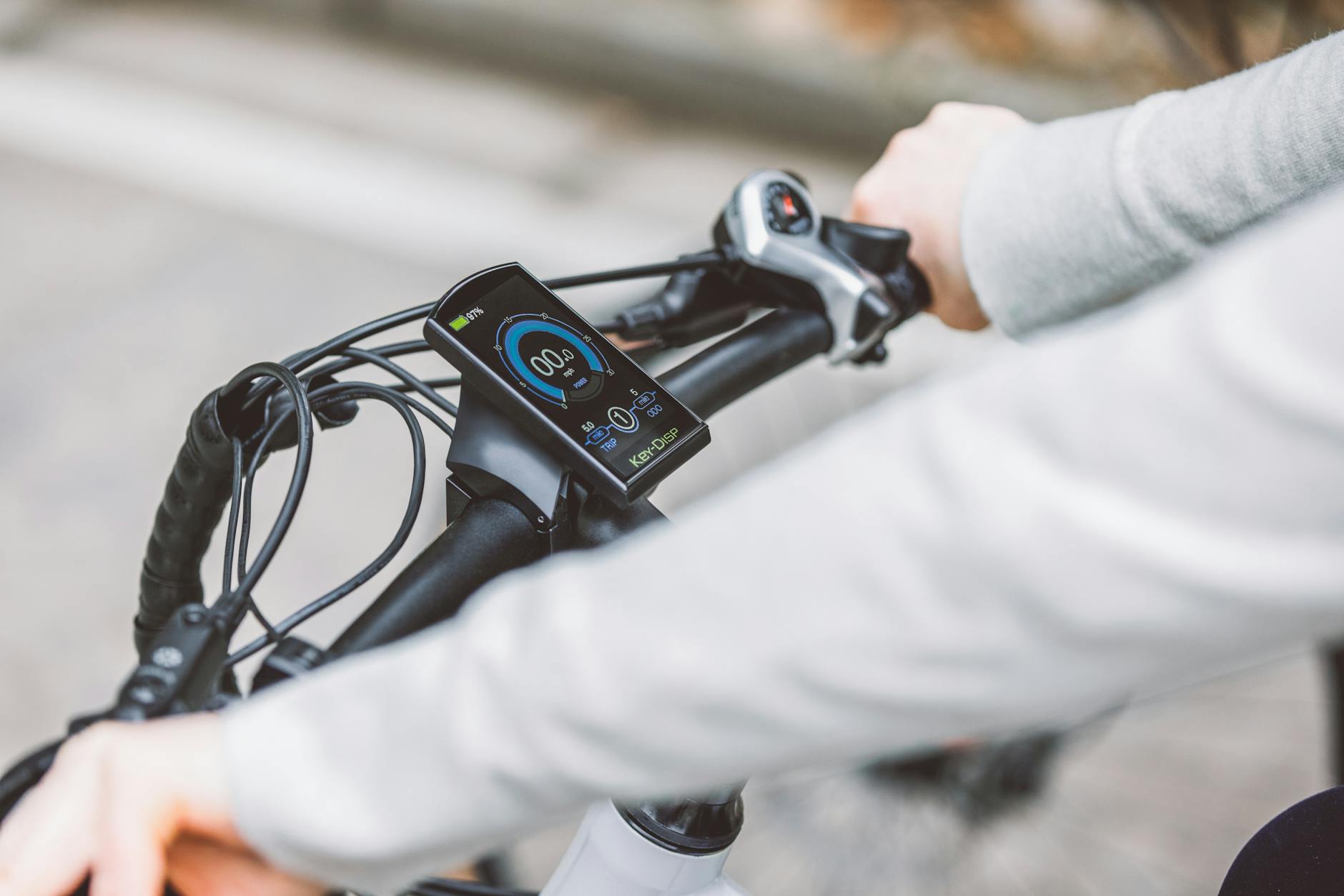
1. Inspect Phase Wire Connectors
Disconnect the battery. Remove plastic sleeves on the three motor wires. Look for blackened metal or pitting. Damage here indicates high connector resistance.
2. Verify Controller Airflow
Check if the controller is mounted where air can flow freely over its aluminum fins. Poor airflow causes heat buildup.
3. Evaluate Gearing and Cadence
During a ride, monitor if you are lugging the motor (low cadence, high throttle). This stresses phase wires and increases heat.
4. Check Wire Gauge
Measure phase wire thickness. Wires thinner than 16 AWG may be undersized for the current load, causing overheating.
Permanent Fixes and Technical Upgrades
- Upgrade Connectors: Replace bullet connectors with high-current plugs like Amass MT60 or XT150. Solder connections with high-lead solder for best conductivity.
- Optimize Motor RPM: Shift to lower gears when climbing or starting to keep motor RPM in an efficient range, reducing current draw.
- Improve Controller Ventilation: Mount the controller where airflow cools the aluminum fins, reducing internal temperature by 20-30°F.
- Install Thicker Wiring: Replace melted or undersized wires with high-strand-count 12 AWG or 14 AWG silicone wire for better heat tolerance.
- Upgrade System Power: For long or high-speed rides, consider upgrading to a 500W or 750W brushless DC (BLDC) controller for improved thermal headroom.
Critical Safety Cautions
Short Circuit and Fire Risk
Melted insulation can cause phase wires to touch, creating a dead short. This instantly damages MOSFETs and may lock the motor, risking a crash. In severe cases, it can trigger a lithium-ion battery fire if the battery management system fails.
Battery Stress
Excessive heat indicates the battery is discharging beyond its safe limits. Inspect for swelling or heat. Ensure the battery’s continuous discharge rating meets or exceeds the controller’s maximum current.
When to Stop Riding
Do not ride until melted wires are fully replaced and root causes fixed. Temporary fixes like electrical tape do not eliminate resistance and pose a fire hazard.
Frequently Asked Questions
How can I tell if my phase wires are overheating?
Look for bubbling, charring, or fused insulation on the colored phase wires (yellow, green, blue). Also, check if the controller casing becomes excessively hot during rides.
Can pedaling help reduce controller heat?
Pedaling alone often does not prevent overheating if the motor is lugging or connectors have high resistance. Proper gearing and good electrical connections are essential.
Is it safe to replace connectors myself?
Yes, if you have basic soldering skills and use quality connectors and solder. Always disconnect the battery before working on wiring and ensure solid, clean connections to avoid future heat issues.